
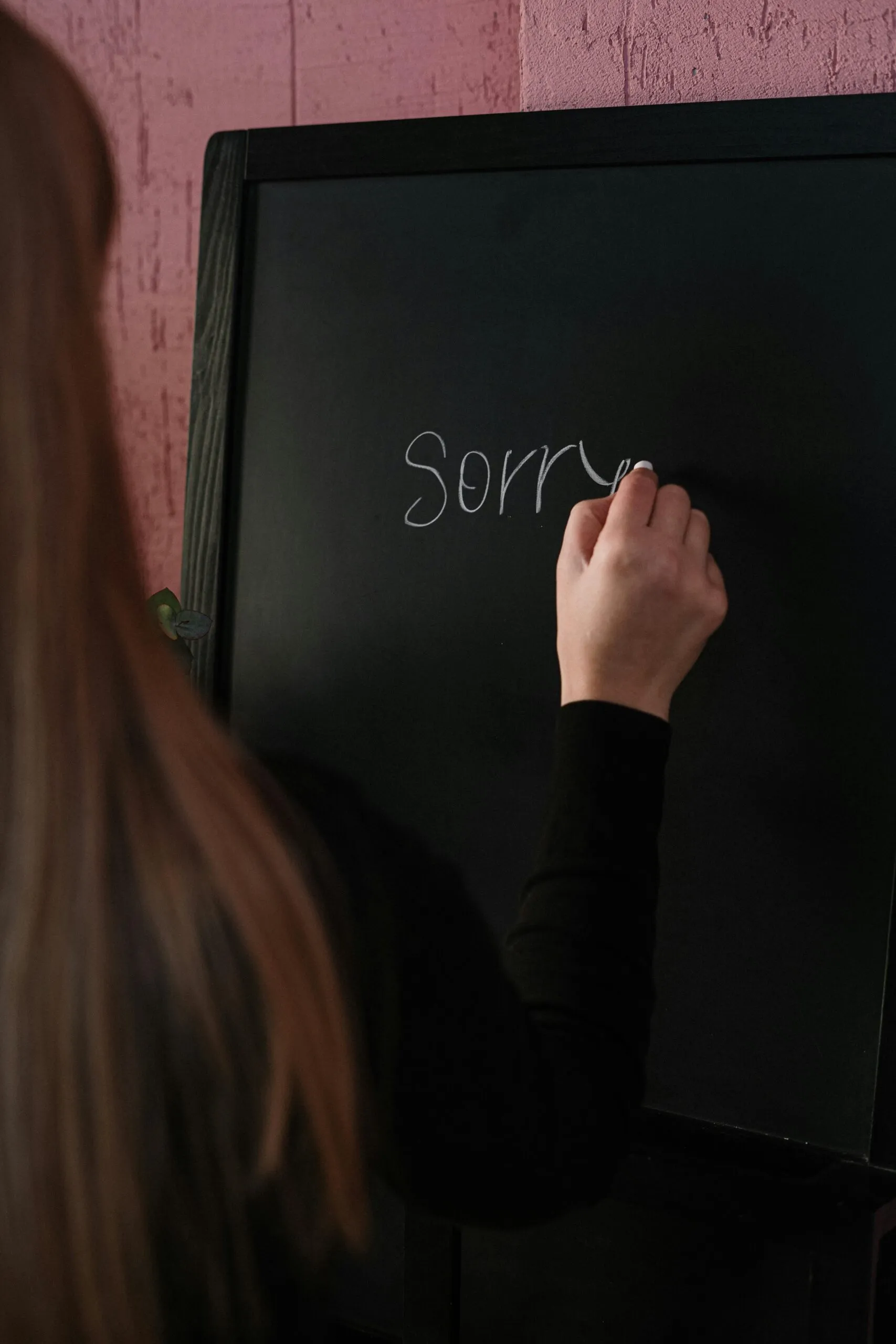
Have you found yourself apologizing for the same thing again and again — and nothing seems to change? You say the words, you mean them, but the cycle keeps repeating. The problem is rarely your sincerity. It is your approach. Learning how to deliver an effective apology in relationships is one of the most powerful skills you can develop as a partner.
Why Most Apologies Fall Flat
Most people instinctively rush to defend themselves when apologizing. Common lines include:
- "I didn't mean it like that."
- "What I actually meant was…"
- "You know I would never intentionally hurt you."
While these statements feel necessary in the moment, they almost always miss the point. They focus on defending your intention rather than acknowledging the impact on your partner. As a result, your apology feels hollow — and the hurt remains unresolved.
When an apology focuses on your intention before acknowledging impact, the hurt partner often feels like they are being asked to comfort you — rather than having their pain recognized. This is what keeps the cycle repeating.
The Key Shift: Impact Over Intention
An effective apology in relationships starts by addressing the impact of your actions first — before explaining what you meant. This does not mean your intentions do not matter. It means you recognize that the pain your partner felt is real, regardless of what you intended.
Instead of immediately explaining yourself, pause and reflect:
"I didn't realize how much that hurt you. Can you help me understand what that felt like for you?"
This approach communicates that you are listening, validating, and taking responsibility for the effect of your actions — not just the intentions behind them. According to Gottman Institute research, effective repair attempts — including genuine apologies — are one of the strongest predictors of long-term relationship health.
Take Time to Fully Understand the Impact
Sometimes understanding the impact fully takes more than one conversation. Stay curious and give your partner space to explain how they felt:
"So when I did X, it felt like Y to you? I want to make sure I understand."
Avoid rushing to explain your intentions. Overexplaining too early triggers defensiveness and creates a cycle where your partner feels unheard and you feel compelled to justify yourself. By taking time to understand the impact first, you prevent these patterns and create genuine space for connection and repair.
The Formula for an Effective Apology in Relationships
Three-step apology that actually heals
- Acknowledge the impact — Reflect back what your partner experienced without defending yourself: "I can see how that hurt you."
- Apologize genuinely — Connect the apology to the impact: "I'm sorry because I can see how much that affected you."
- Share your intention — only after steps 1 and 2 — Once your partner feels heard, you can gently clarify what you meant: "What I was trying to say was…"
This sequence matters. Doing it in reverse — explaining your intention before acknowledging impact — is what keeps apologies from landing.
Why Repeated Apologies Happen
When the same apology keeps needing to be repeated, it is usually a sign that one of two things is happening: either the impact has never been fully acknowledged, or the underlying pattern has not changed. An apology addresses the moment — but real change requires understanding what drives the behavior in the first place.
This is where couples therapy becomes valuable — helping both partners understand the emotional patterns beneath recurring conflicts, and building new ways of responding that break the cycle for good.
An effective apology is not just about the words — it is about making your partner feel genuinely seen and understood. When that happens, healing can begin even before the apology is fully delivered.
Comments are closed