

What we treat
Trauma Therapy in Utah
Trauma therapy is a specialized form of mental health treatment that helps individuals recover from overwhelming life experiences that continue to impact emotional, relational, and physical well-being. At Big Valley Therapy, we offer both in-person sessions in Sandy, Utah and telehealth trauma therapy statewide.
These experiences may include childhood trauma, relational betrayal, emotional neglect, accidents, or chronic stress that overwhelms the nervous system. Trauma-focused therapy is not about reliving painful events in an unsafe way — it focuses on helping the nervous system feel safe again so healing can happen at a steady, manageable pace.
Many people seek support when they notice:
- Ongoing anxiety or emotional numbness that won't lift
- Relationship struggles rooted in past experiences
- Feeling stuck in patterns they cannot change on their own
- Difficulty trusting themselves or others after painful experiences
The goal is to help individuals reconnect with themselves, reduce distress, and build emotional stability over time — in a supportive and structured environment.
Who this is for
Who Trauma Therapy Is For
Trauma therapy is designed for people who feel overwhelmed by past or ongoing emotional experiences that continue to affect daily life. You don't need a specific diagnosis — if something from the past is still affecting how you feel, think, or relate to others, therapy can help.
Emotional & psychological
- Anxiety, depression, or low mood
- Emotional reactivity or sudden overwhelm
- Numbness or emotional shutdown
- Unresolved grief or loss
- Shame or deep self-criticism
Relational & attachment
- Betrayal trauma or attachment injuries
- Difficulty trusting yourself or others
- Relationship distress or fear of intimacy
- Childhood emotional neglect
- Patterns that feel hard to change
Whether the trauma is recent or long past, therapy helps create clarity, emotional grounding, and a stronger sense of internal safety over time — without judgment and at your own pace.
Understanding trauma
How Trauma Affects the Mind and Body
Healing from trauma begins with understanding how it impacts both the mind and the body. When a person experiences something overwhelming, the nervous system may shift into survival states. Even after the event is over, the body can remain stuck in these patterns — responding as though the threat is still present.
Fight
Anger, irritability, or aggression in response to perceived threat
Flight
Anxiety, restlessness, or avoidance of people and situations
Freeze
Feeling stuck, unable to act, or disconnected from the moment
Shutdown
Emotional numbness, withdrawal, or feeling completely flat
This is why trauma therapy often focuses first on regulating the nervous system before addressing deeper emotional processing. Stabilization comes first — not because the deeper work isn't important, but because the system needs to feel safe before it can heal.
Research & further reading
American Psychological Association — Trauma, emotional regulation, and stress response systems. APA.org.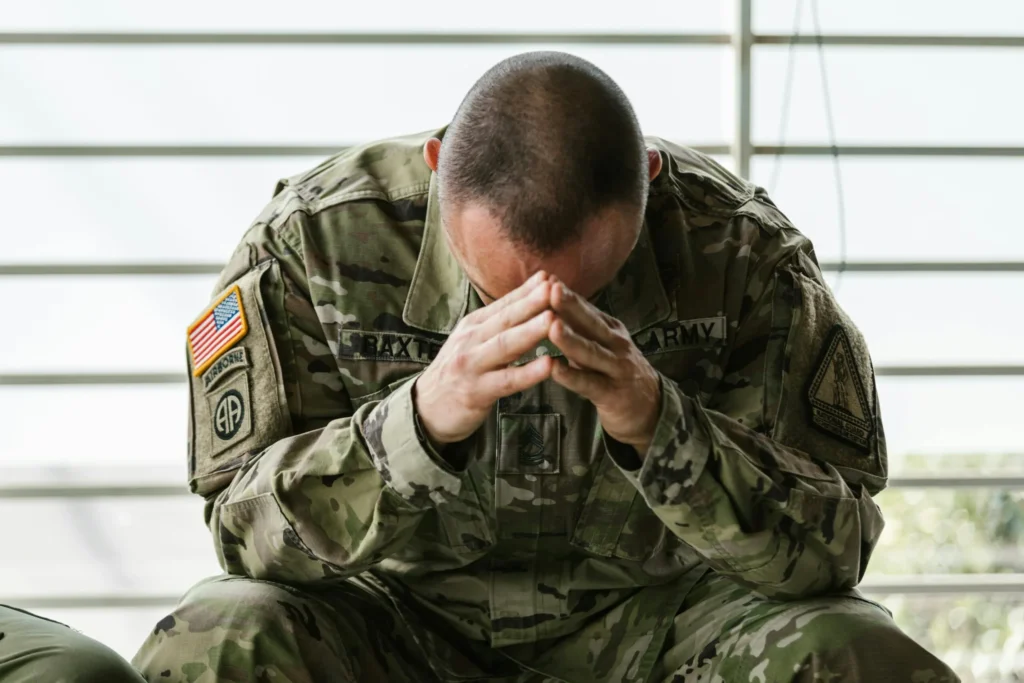
Recognizing the signs
Common Symptoms That Lead People to Trauma Therapy
Many people seek trauma therapy because they notice ongoing emotional or physical symptoms that interfere with daily life — often without fully understanding why. These symptoms are not signs of weakness. They are the nervous system's attempt to protect itself after overwhelming experiences.
Emotional & cognitive
- Intrusive thoughts or emotional flashbacks
- Difficulty concentrating or mental fog
- Feeling stuck in the past
- Chronic anxiety or panic responses
- A constant sense of danger or dread
Physical & relational
- Fatigue, headaches, or muscle tension
- Sleep disruption or nightmares
- Emotional numbness or disconnection
- Difficulty engaging in relationships
- Feeling unable to fully be present
As awareness of these symptoms grows, healing can begin in a more intentional and supported way. Recognizing the pattern is often the first step toward change.
The healing process
How Trauma Therapy Supports Healing
Trauma therapy focuses on helping individuals move from survival states into greater emotional regulation and safety. The work is never rushed — each person moves at their own pace based on readiness and capacity.
Stabilization
The first stage involves learning grounding techniques and developing tools to manage emotional overwhelm. You build a foundation of safety before any deeper processing begins.
Processing
Once stability is established, deeper emotional processing can begin in a way that feels safe and controlled. We use evidence-based approaches tailored to your specific experiences and needs.
Integration
The final phase is about bringing it all together — responding to life from a place of clarity rather than survival-based reactivity, and rebuilding a stronger sense of self.
Over time, clients often report:
- Feeling more grounded
- Less emotional reactivity
- More connected to themselves
- Reduced anxiety and overwhelm
- Clearer decision-making
- Greater self-compassion
How we work
Evidence-Based Approaches Used in Trauma Healing
Trauma treatment at Big Valley Therapy is personalized and client-centered. We draw from several evidence-based approaches depending on what will be most effective for your specific history, goals, and readiness.
Helps reprocess distressing memories so they lose their emotional intensity over time. EMDR is one of the most extensively researched trauma treatments available and does not require you to talk through every painful detail repeatedly.
Supports understanding different internal "parts" that developed in response to trauma — protective parts, wounded parts, and the core self — with curiosity instead of shame. IFS is particularly effective for complex and relational trauma.
Emotionally Focused Therapy (EFT)
Focuses on attachment and emotional bonding patterns, especially in relationships impacted by trauma. EFT helps rebuild emotional safety and secure connection after relational injury.
Somatic and Body-Based Approaches
Help regulate the nervous system through body awareness and grounding techniques. Since trauma is stored in the body as much as the mind, somatic approaches address what talk therapy alone cannot always reach.

Relational trauma
Trauma Therapy for Relationship and Attachment Wounds
A large portion of trauma work involves relational and attachment-based trauma — experiences that shape how individuals relate to trust, intimacy, and emotional safety in adulthood. These wounds often develop quietly over time and show up in ways that can feel confusing or difficult to trace.
Betrayal or infidelity in a close relationship
Emotional neglect or inconsistent caregiving in early life
Difficulty trusting yourself or others after relational injury
Fear of intimacy or vulnerability in relationships
Patterns of self-protection that create distance
Difficulty feeling emotionally safe with others
When appropriate, individuals may also benefit from related services alongside trauma therapy:
Betrayal Trauma Therapy in Utah
Specialized support for individuals navigating relational betrayal and trust repair
Couples Therapy in Utah
For rebuilding emotional safety and connection after relational trauma
Start Trauma Therapy in Utah
Beginning trauma therapy is often a meaningful step toward emotional healing and personal stability. Many people come to therapy feeling overwhelmed, disconnected, or unsure how to move forward — and that is enough of a reason to begin.
Common questions
Frequently Asked Questions
What is trauma therapy and how is it different from regular therapy? +
Trauma therapy is specifically designed to address the impact of overwhelming past experiences on the nervous system, emotions, and relationships. Unlike general therapy, it prioritizes nervous system regulation and emotional safety first before processing deeper material — ensuring the work never becomes retraumatizing.
Do I have to talk about what happened in detail? +
No. Approaches like EMDR and IFS can produce significant healing without requiring you to recount every detail of what happened. You are always in control of what you share, when you share it, and how deeply we go.
How long does trauma therapy take? +
Timelines vary significantly depending on the type and complexity of the trauma, your history, and your goals. Some people notice meaningful relief within 8–16 sessions. Others benefit from longer-term support, especially with complex or relational trauma. We pace therapy entirely to your readiness.
What is EMDR and is it effective for trauma? +
EMDR (Eye Movement Desensitization and Reprocessing) is one of the most extensively researched trauma treatments available. It helps reprocess distressing memories so they lose their emotional intensity over time. It is recommended by the WHO and APA for trauma treatment and does not require detailed verbal recounting of traumatic events.
Can trauma therapy help with relationship problems? +
Yes. Many relationship difficulties — including trust issues, emotional distance, fear of intimacy, and conflict patterns — are rooted in unresolved attachment trauma. Trauma therapy helps address these underlying patterns so healthier relating becomes possible.
Do you offer telehealth trauma therapy in Utah? +
Yes. We offer both in-person sessions at our Sandy, Utah office and telehealth trauma therapy for clients anywhere in the state. Research supports telehealth as equally effective for trauma treatment in most cases.
How do I know if I'm ready to start trauma therapy? +
You don't have to feel ready — you just have to be willing. Many clients begin therapy feeling overwhelmed or unsure, and that is completely normal. We offer a free 15-minute consultation so you can get a feel for whether Big Valley Therapy is the right fit before committing to anything.
Contact Us
We would love to support you on your healing journey. Whether you're ready to begin or just exploring whether Big Valley Therapy is a good fit, please reach out — we would love to hear from you.