
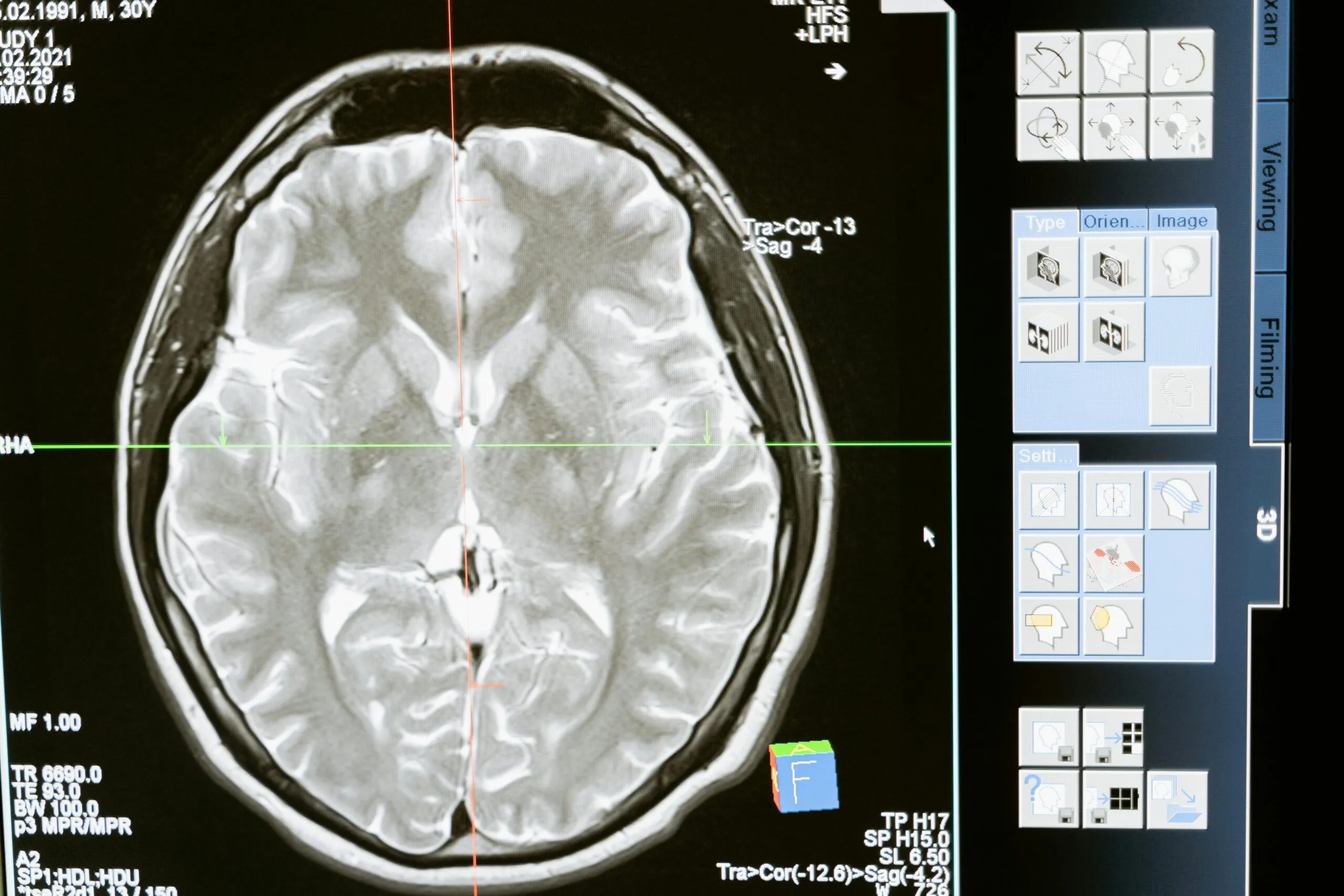
"Why would my partner relapse when they know how much it hurts me?" It is one of the most painful questions a betrayed partner can ask — and one of the most important to understand. The answer is not simple, and it is not an excuse. But it is rooted in how the brain actually works — and understanding it is often the beginning of genuine compassion and effective recovery.
The Grand Canyon Brain Analogy
Understanding how porn creates neural pathways
Think about how the Grand Canyon formed. It did not happen overnight — a small trickle of water carved a tiny groove, and over millions of years, that groove deepened into one of the most dramatic landscapes on earth.
The brain works the same way. Repeated pornography use carves deep neural pathways — grooves in the brain that become the path of least resistance when difficult emotions arise. Over time these pathways become so well established that the brain defaults to them automatically, often before conscious thought can intervene.
This is not a character failure. It is neuroscience.
According to research published in the National Library of Medicine, compulsive pornography use produces measurable changes in brain structure and function — particularly in the dopamine and reward systems — that parallel other behavioral addictions. The good news is that the brain also has neuroplasticity: the capacity to form new pathways and make different responses feel more natural over time.
Why Relapse Happens Even When Someone Wants to Stop
When someone struggling with pornography use encounters a difficult emotional state — stress, loneliness, shame, exhaustion — their brain sends them down the established Grand Canyon pathway before rational thought can catch up. A flood of dopamine reinforces the behavior. The core values and the knowledge of the harm being caused are temporarily overridden by the brain's deeply wired reward system.
This does not mean the person does not care. It means the automatic brain response is temporarily stronger than the conscious one — and that genuine recovery requires building new pathways, not just stronger willpower.
Understanding this neurological reality does not excuse the behavior or remove the responsibility for harm done. It explains the mechanism — which is the first step toward addressing it effectively rather than just trying harder at the same approach.
Fear-Led Sobriety vs Self-Led Recovery
Many people assume: "Seeing my partner's pain should be enough to make me stop." And while guilt and fear can produce short-term behavior change, they rarely produce lasting recovery — because they do not address the underlying neural patterns or the emotional needs driving the behavior.
Fear-led sobriety
- Motivated by avoiding shame or punishment
- White-knuckling through urges
- Performing recovery for others
- Fragile — collapses under emotional pressure
Self-led recovery
- Motivated by genuine values and self-respect
- Building new neural pathways through consistent choice
- Recovery chosen for oneself — not to manage others' pain
- Resilient — grows stronger through setbacks
Real recovery involves building the internal resources — self-awareness, emotional regulation, genuine self-compassion — that allow a person to meet difficult emotions without defaulting to the established pathway. This is the work of pornography addiction therapy and IFS therapy at Big Valley Therapy.
A Note for Partners: Your Healing Matters Too
For betrayed partners reading this
Understanding the neurological basis of relapse is not meant to minimize the pain of betrayal — it is significant and real. But it can help shift the impossible question of "Why wasn't I enough to make them stop?" toward the more accurate understanding that their relapse was never about your worth.
Your own healing — processing the betrayal trauma, building your own self-worth and emotional resilience — is equally important and equally worthy of dedicated support.
Recovery is not about being perfect. It is about building new pathways — one intentional choice at a time — until those pathways become stronger than the ones that led to the Grand Canyon.
Comments are closed